Chinatown And Little Italy Food Tour
Visitor Guide

Things to Do in Chinatown and Little Italy Nyc

Two neighborhoods sit shoulder to shoulder below Canal Street, and the border between them is a single intersection rather than a wall. This things to do in chinatown and little italy nyc guide sets out what each district holds, how they connect on foot, and which hours reward the walk. Nothing here requires a reservation or a turnstile.

9 min read Updated 2026-08-16 Fact-checked
Things to Do in Chinatown and Little Italy Nyc

Quick answer

Entry costs 0 USD — the streets of both neighborhoods are free and open to the public 00:00–23:59, every day of the week. The practical window is 09:00–17:00, which covers the Canal Street markets, the fish stalls, and the Mulberry Street cafés before late-night noise sets in. Individual shops, temples, and museums keep their own shorter hours.

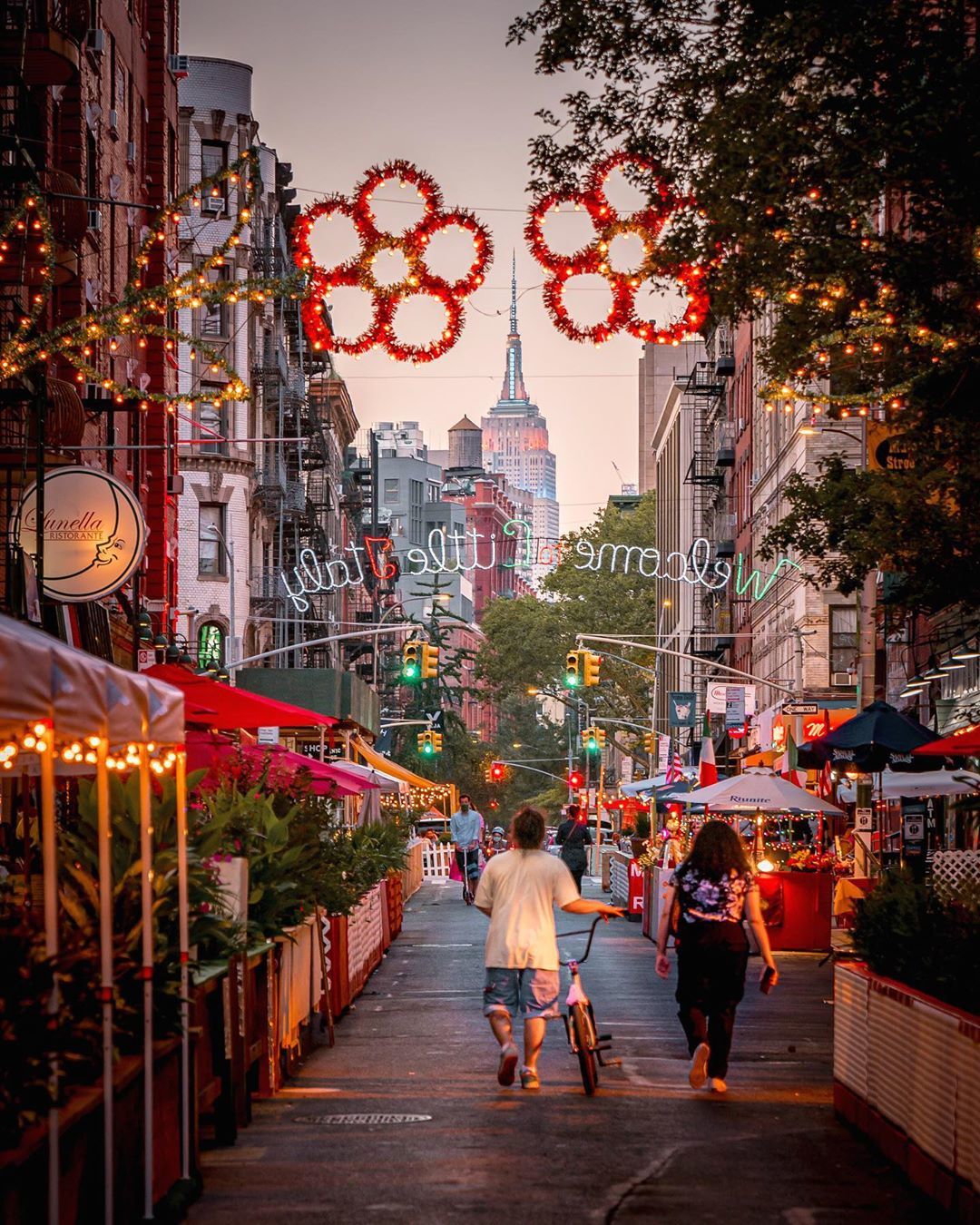
Little Italy once ran across roughly seventeen blocks of Lower Manhattan; today its commercial core is concentrated on a handful of blocks along Mulberry Street, while Chinatown has grown around it to become one of the largest Chinese communities in the Western Hemisphere. That compression is the single most useful fact for anyone planning things to do in chinatown and little italy nyc. The two districts are not separate excursions. They meet at Mulberry and Canal, and the change in signage, produce, and shopfront language happens within a few paces. What a visitor is dealing with, then, is a dense walking district rather than a ticketed attraction. Columbus Park sits at the southern end, where card games and morning tai chi run against the courthouse backdrop. Doyers Street bends sharply enough to have earned its old nickname, the Bloody Angle. Mott Street carries herbalists, bakeries, and the Church of the Transfiguration; Canal Street carries the fish and produce vendors whose crates spill toward the curb by mid-morning. On the Italian side, Grand Street holds the century-old salumerias and the Feast of San Gennaro route, which each September closes Mulberry to traffic for eleven days. Anyone building a Chinatown and Little Italy walking tour should treat these as waypoints, not stops. The context that makes the timing advice make sense is commercial rhythm. These are working neighborhoods. Markets stock early, restaurants turn over at lunch, and bakeries sell out of the good things before the afternoon. The streets themselves never close, but the businesses inside them follow their own clocks, and a late arrival finds shutters rather than trade. Weekends bring heavier foot traffic on Mulberry and along Canal; weekday mornings are quieter and easier to photograph. What to do with that answer is straightforward. Allow three to four hours on foot, start from the southern edge and work north, and let the two grids overlap rather than treating them as a checklist. A guided Lower Manhattan food walk covers ground faster and explains what is being pointed at, which matters in a district where much of the interest is behind unmarked doors. The best things to do in chinatown and little italy nyc reward slow walking, an appetite held in reserve, and a willingness to turn down a street that looks like nothing.

“The border between the two neighborhoods is a single intersection, and the change in signage, produce, and shopfront language happens within a few paces.”
Timing

The Best Time for Things to Do in Chinatown and Little Italy NYC

The best arrival window for experiencing Chinatown and Little Italy is 09:00–17:00. This period allows visitors to observe the full activity of local markets and street life while avoiding the increased noise levels that occur late at night.

Weekday mornings

Minimal crowds

These hours offer quiet streets and direct access to local shops before the midday rush.

Midday

High foot traffic

This is the most active time for street vendors, markets, and neighborhood commerce.

Spring and Autumn

Moderate to high

Mild temperatures 60°F–75°F

These seasons provide comfortable weather for walking tours between the two neighborhoods.

Weekends

Peak visitor volume

Expect high density on Mulberry and Canal Streets as residents and tourists gather.

Verdict: The best time to visit is Tuesday to Thursday between 09:00 and 17:00, ideally during the months of April, May, September, or October.

Opening hours

Opening Hours for Things to Do in Chinatown and Little Italy NYC

The neighborhoods of Chinatown and Little Italy are public areas accessible to visitors at all times. Please note that while the streets themselves remain open, individual business hours for shops and restaurants will vary.

Monday
00:00–23:59
Tuesday
00:00–23:59
Wednesday
00:00–23:59
Thursday
00:00–23:59
Friday
00:00–23:59
Saturday
00:00–23:59
Sunday
00:00–23:59
As these are public streets, there is no formal last-entry time for accessing the neighborhoods.
Prices

Entrance Fees and Costs for Things to Do in Chinatown and Little Italy NYC

Exploring the public neighborhoods of Chinatown and Little Italy does not require an admission fee. Costs for your visit will depend entirely on your personal choices regarding food, retail shopping, or guided experiences.

Public access Access to streets and neighborhoods
0 USD
Guided tours Prices set by independent operators
Varies
Entry to the public streets and neighborhoods is free for all visitors at all times.

Verdict: A typical visitor pays 0 USD for general access, with total daily costs determined solely by individual spending on food and services.

Directions

Getting to Things to Do in Chinatown and Little Italy NYC

Chinatown and Little Italy are located in lower Manhattan, centering on the intersection of Mulberry Street & Canal Street, New York, NY 10013. The area is highly accessible via the New York City Subway system.

Metro Varies by origin

N, Q, R, or W train to Canal Street station

Metro Varies by origin

6 train to Canal Street station

Bus Varies by origin

M1, M55, or M103 to Canal Street

Taxi Varies by traffic Varies

Drop-off at Mulberry Street & Canal Street

The Canal Street subway station serves as the primary hub for both neighborhoods. Using a real-time journey planner to check for current line service changes is recommended before departure.

Food & drink

Dining and Culinary Things to Do in Chinatown and Little Italy NYC

The dining landscape here shifts between traditional Cantonese dim sum parlors and historic Italian trattorias. Visitors can navigate the busy intersections to find sit-down meals or grab items from local bakeries and markets.

Nom Wah Tea Parlor

€€

restaurant

This historic dim sum house is located on Doyers Street in Chinatown and offers a seated experience with traditional carts.

Ferrara Bakery & Cafe

€€

café

Situated on Grand Street in Little Italy, this long-standing establishment serves cannoli and espresso to visitors.

Joe's Shanghai

€€

restaurant

Found on Pell Street, this venue is known for its soup dumplings and busy communal seating.

Di Palo's Fine Foods

€€

market

This Italian specialty store on Grand Street provides imported cheeses and meats, ideal for gathering picnic supplies away from tourist-heavy restaurant menus.

Wah Fung No. 1 Fast Food

street

Located on Chrystie Street, this small shop specializes in roasted meats over rice for a quick, low-cost meal.

What to see

Cultural Highlights Among Things to Do in Chinatown and Little Italy NYC

Exploring Chinatown and Little Italy reveals a dense collection of landmarks that reflect the deep cultural roots of these neighboring districts. From public parks to historic streetscapes, these sites offer a view into the daily rhythms of two distinct communities.

Columbus Park

Columbus Park

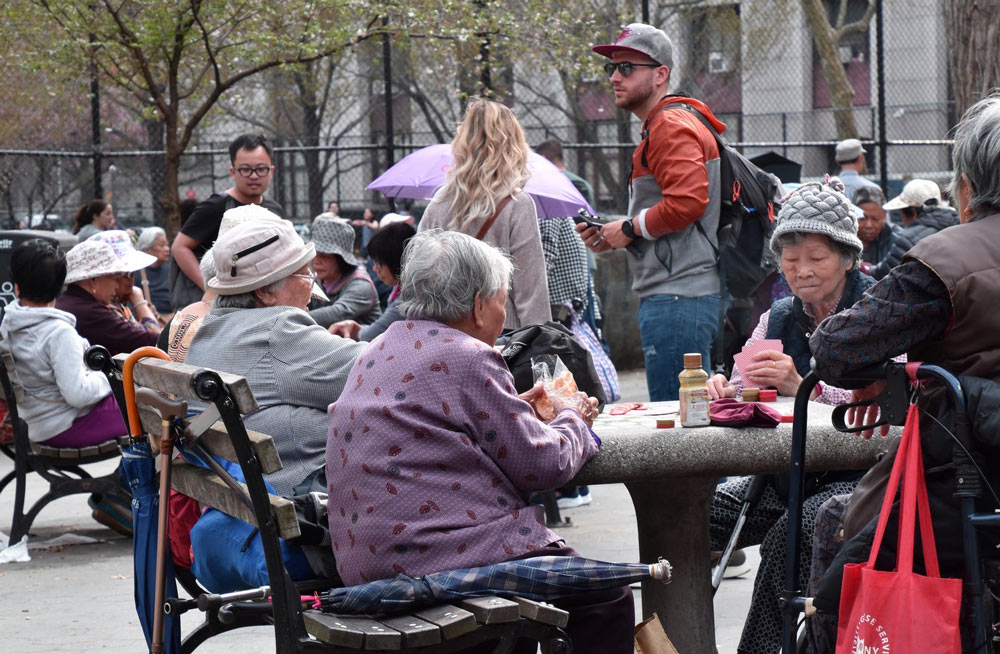
This central gathering spot serves as the primary outdoor community space in Chinatown where residents practice tai chi, play chess, and socialize. It sits on the site of what was once the notorious Five Points neighborhood.

Visit during weekday mornings to see community tai chi sessions.
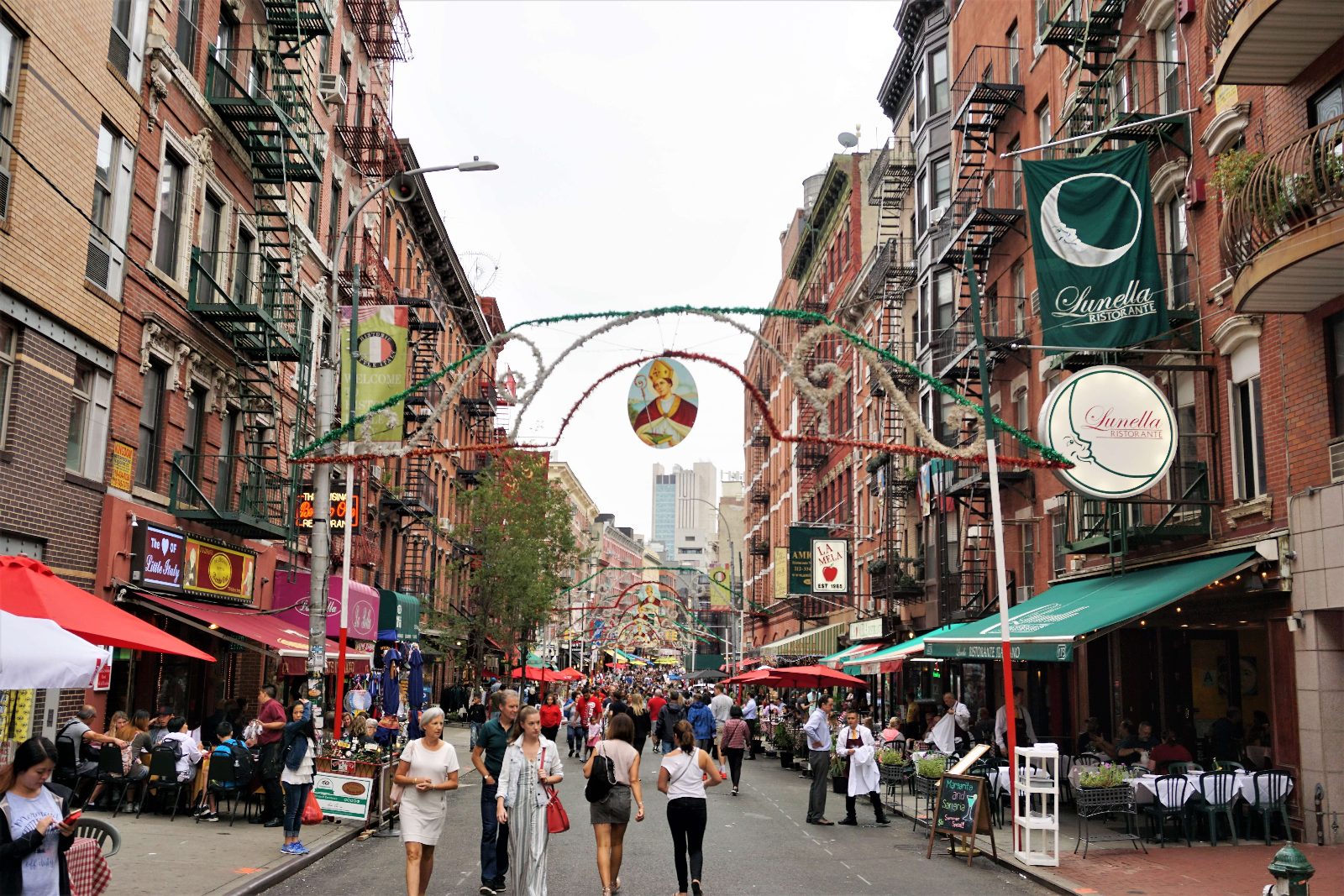
Mulberry Street

Mulberry Street

Known as the heart of historic Little Italy, this street features landmark buildings and facades that retain the character of the neighborhood’s past. It remains the focal point for understanding the area's development.

Walk the entire stretch to compare preserved facades with modern additions.

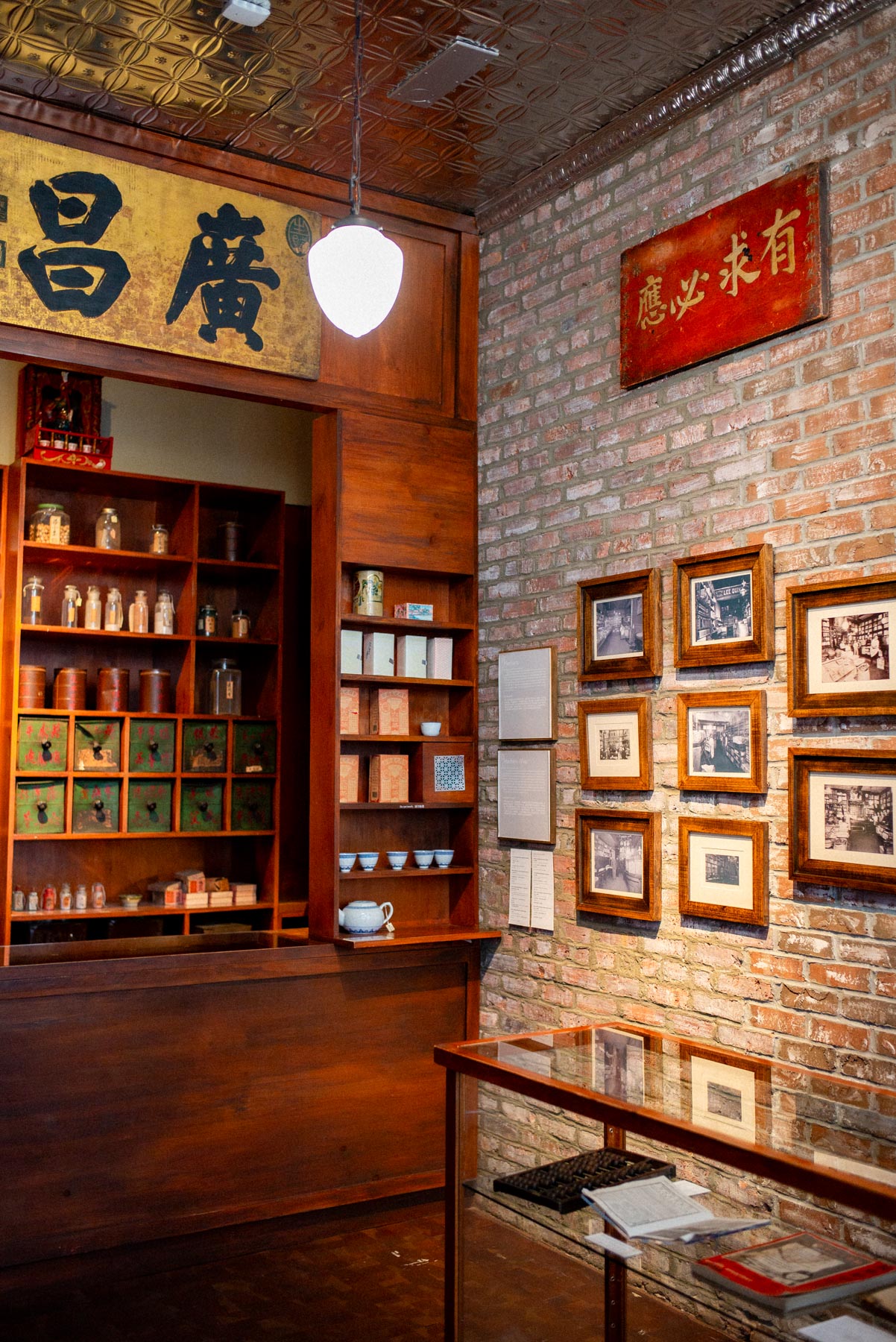
Museum of Chinese in America

Museum of Chinese in America

Located on Centre Street, this museum documents the history and culture of Chinese people in the United States through rotating exhibitions. The facility occupies a building designed by architect Maya Lin.

Check the calendar for temporary exhibits focused on community narratives.

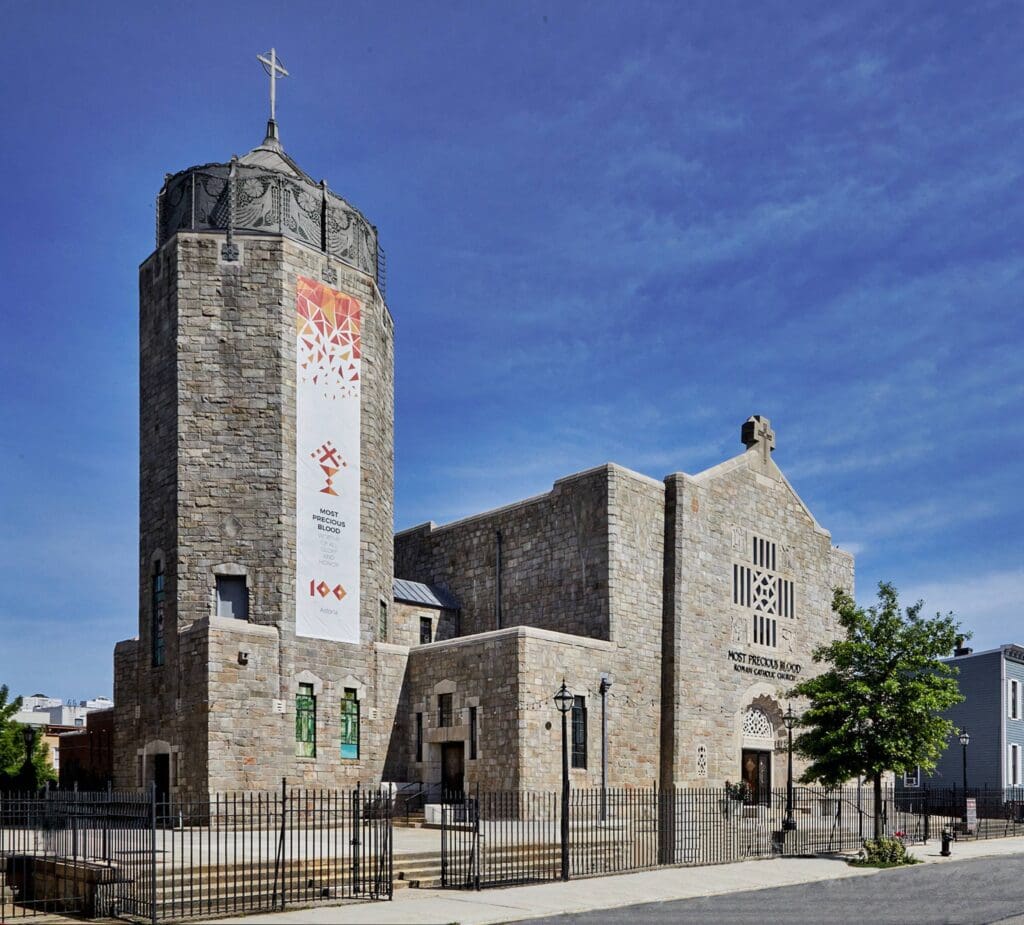
Church of the Precious Blood

Church of the Precious Blood

This historic Catholic church is situated in the heart of Little Italy and has served the spiritual needs of the immigrant community since its founding. Its exterior architecture remains a prominent example of neighborhood heritage.

Look for the ornate stonework on the building exterior.

Book

Check availability

Frequently asked

Common Questions: Things to Do in Chinatown and Little Italy NYC

Everything you need to know about things to do in chinatown and little italy nyc

What are the best things to do in chinatown and little italy nyc?

Visitors enjoy exploring vibrant street markets, historical landmarks, and diverse culinary spots while discovering things to do in chinatown and little italy nyc. You can wander through narrow alleyways or admire the contrast between the two distinct immigrant enclaves. There is 0 USD entrance fee as these are public neighborhoods. You are free to walk the streets at your own pace without paying for access. The best arrival window is 09:00–17:00, which allows you to experience the markets and street life while avoiding late-night noise. Arriving during these hours ensures you get the most out of your things to do in chinatown and little italy nyc itinerary. The neighborhoods are open to the public from 00:00–23:59 every day, including weekends. Since these are residential and commercial districts, the streets remain accessible at all times. Most visitors find that spending three to four hours is sufficient to appreciate the atmosphere of this Manhattan landmark district. This provides enough time to see the highlights of the area without feeling rushed during your things to do in chinatown and little italy nyc visit. Yes, families often find these neighborhoods engaging due to the bustling street life and unique shops. It is a great way to introduce children to different cultures while exploring historical NYC districts. The biggest mistake is trying to see everything in one hour without factoring in time for snacks or street photography. Planning a longer duration for your things to do in chinatown and little italy nyc trip ensures a more relaxed experience.

Keep reading

More guides & pages