
4 hr
Bangkok Chinatown Street Food Walking Tour
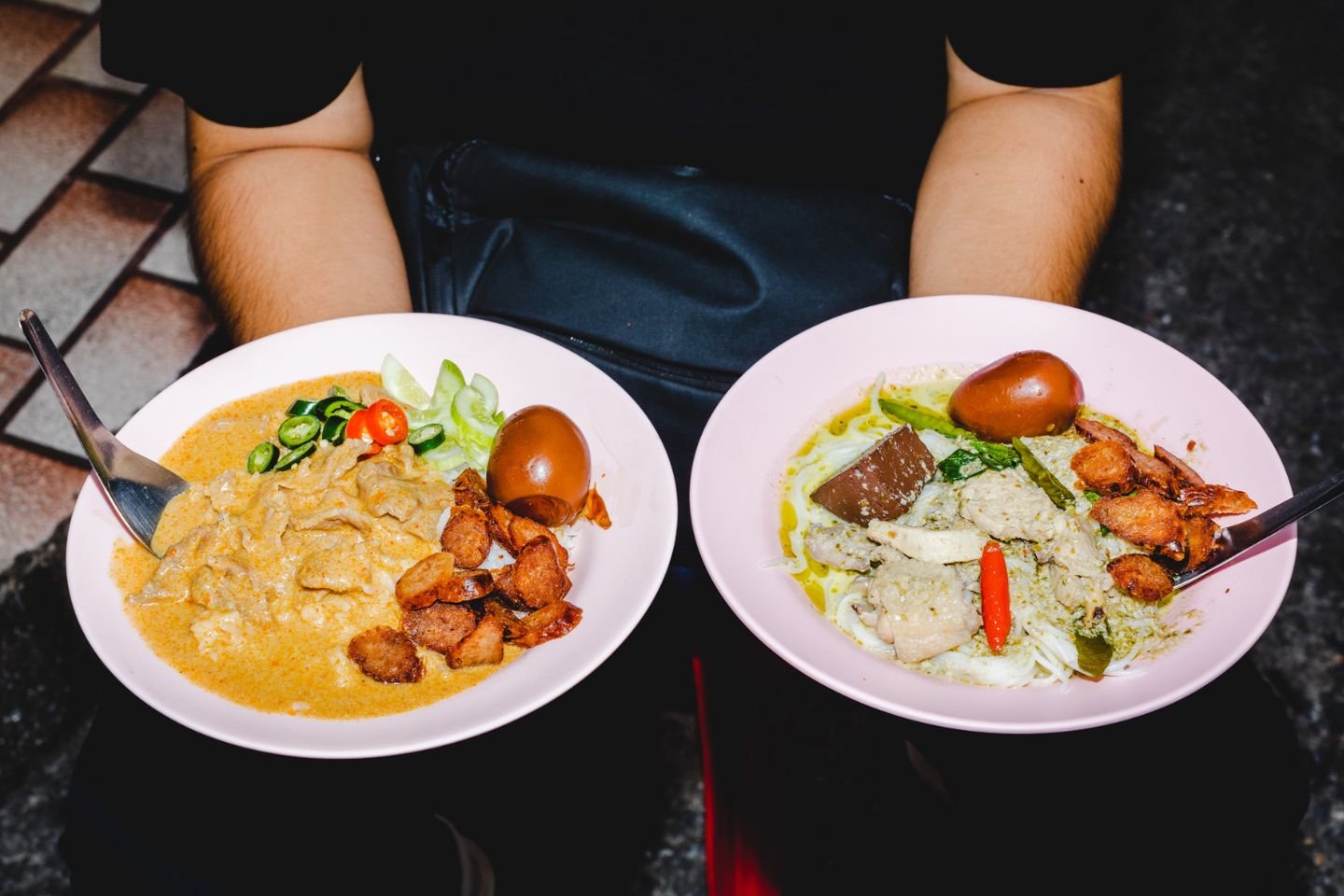
Savor over 15 authentic dishes across hidden alleys in Yaowarat with expert guides and intimate groups
Reserve
Hand-picked by our editors — only the best 5 guided walks from 26 reviewed.
Verified partners for every tour, free cancellation where available, and instant confirmation on every booking.
4 hr
Savor over 15 authentic dishes across hidden alleys in Yaowarat with expert guides and intimate groups
Reserve
4 hr
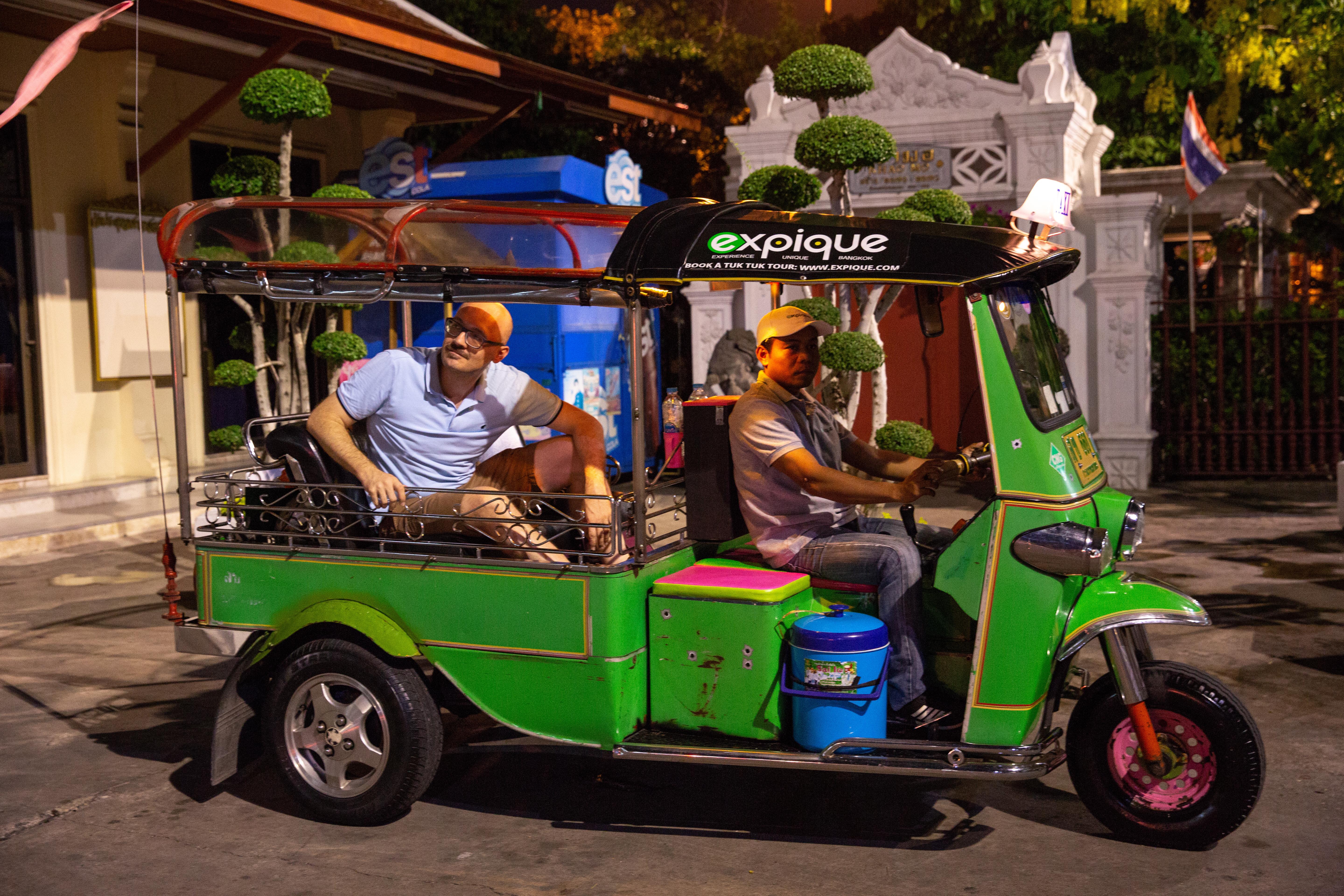
Explore Bangkok's illuminated temples, bustling night markets, and authentic street food on a 4-hour tuk tuk journey
Reserve
3 hr
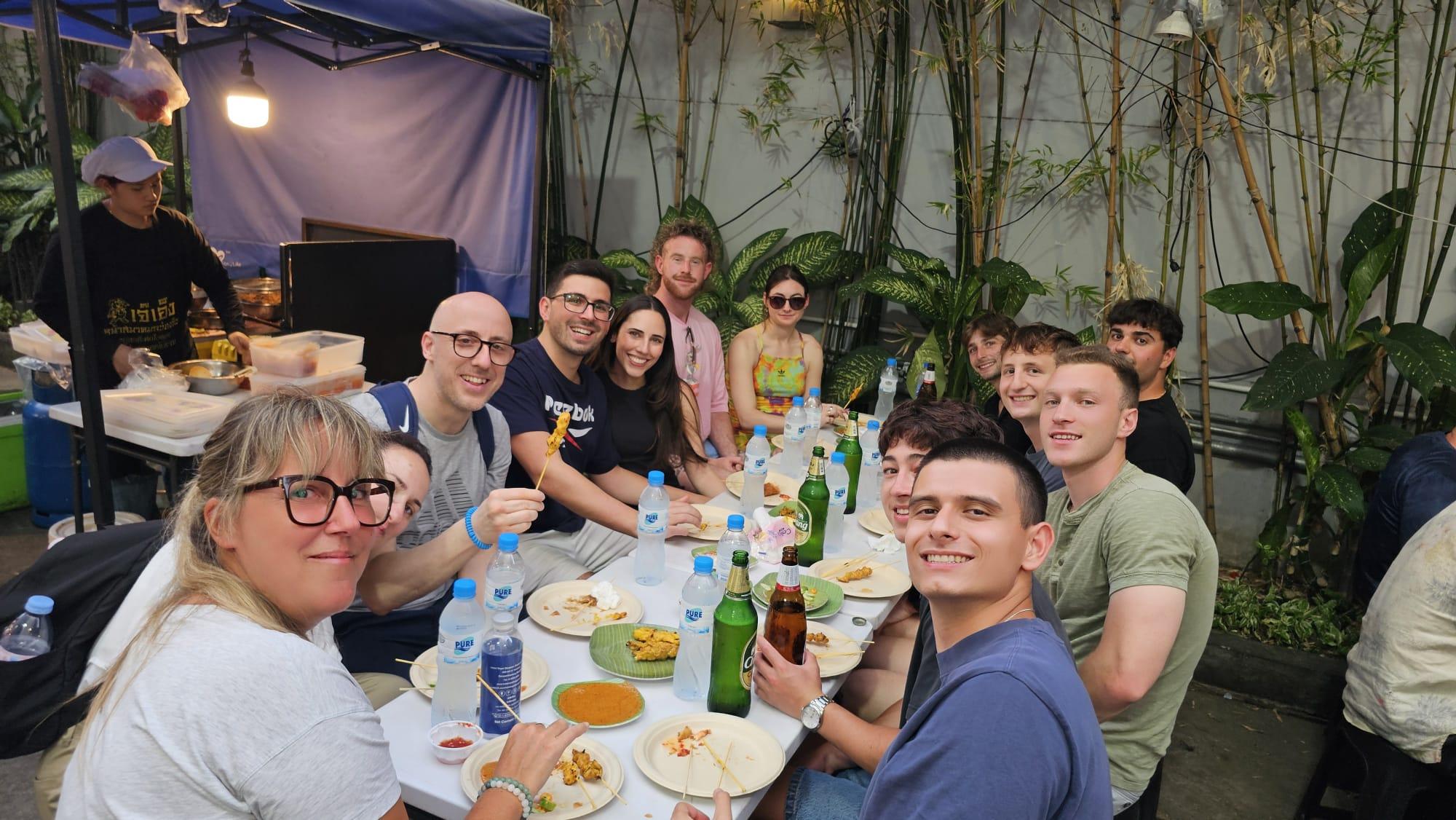
Discover Bangkok's culinary heart on a guided tasting adventure through Chinatown's vibrant food scene
ReservePrices from verified partners. Availability updates in real time at checkout. Free cancellation policies apply where shown.
The landmarks, rooms, and views travelers on this tour remember — all visible on a single visit.
Sample authentic handmade dumplings at iconic local eateries that have operated for decades.
Taste traditional Italian pastries at historic bakeries that defined the neighborhood dessert culture.
Observe the unique fire escapes and brick facades that characterize the 19th-century housing style.
Walk down this main thoroughfare, often considered the heart of Chinatown's commercial activity.
Explore this famous street in Little Italy known for its historic restaurants and heritage.
These tours complement each other; most visitors who do both call the Lower East Side, Chinatown, and Little Italy food tour the more thrilling, broad-based culinary adventure, while the Tenement Museum's guided walk is the superior choice for focused immigrant history.
| Feature | Top pick Neighborhood Food Tour | Tenement Museum Food Tour |
|---|---|---|
Focus |
Broad cultural/food range | Specific immigrant history |
Duration |
2.5–3 hours | 90 minutes |
Tastings |
5–8 food samples | 5 food samples |
Group Size |
Small group (up to 13) | Small group guided |
History Depth |
General narrative | Deep research-based archival |
Walking Distance |
Less than 1 mile | 0.5 miles |
Price (Summer) |
~81 USD | ~55 USD |
Accessibility |
Public streets/variable | Not suitable for mobility-impaired |
| See tickets → |
Verdict: Choose the broad lower east side chinatown and little italy food tour for a diverse gastronomic experience across three iconic neighborhoods, or select the museum tour if you prefer an intimate, historically structured academic perspective on New York's past.
Choose your ticket, select your date, and reserve in under two minutes. Secure checkout handled by our verified partner.
Instant confirmation by email, with a mobile voucher you can save offline. No printing, no queuing at a collection desk.
Arrive at the entrance, show your voucher on your phone, and walk in. Most tickets include priority or skip-the-line access.
Practical details for your visit straight from our verified partners — hours, access, rules, and how to get there.
67 Mulberry St, New York, NY
Central hub in Chinatown near park benches.
Take the B or D train to Grand St for easy access to Chinatown.
Take the 6 train to Canal St to reach Little Italy quickly.
Comfortable walking shoes are essential for navigating the historic sidewalks of the Lower East Side, Chinatown, and Little Italy. Dress according to the season, as you will be outdoors for the duration of your visit.
Personal bags are permitted as these are public streets. Keep your belongings secure in crowded markets and busy pedestrian zones.
Photography is welcomed throughout the Lower East Side, Chinatown, and Little Italy. Please respect private storefronts and local residents while capturing your visit.
The area consists of public sidewalks and streets. While generally accessible, some older storefronts in Chinatown and Little Italy may have small steps or narrow entryways.
Mobile phones are permitted for navigation and photography. Use caution when walking and using devices simultaneously in busy street traffic.
The area is suitable for families. Strollers are useful, though be prepared for crowds on narrow sidewalks during peak lunch hours.
You are in a prime culinary destination. Numerous vendors and restaurants offer authentic regional cuisines throughout the neighborhood.
Pets are allowed on public sidewalks. Ensure dogs are leashed at all times and adhere to local city waste disposal regulations.
The lower east side chinatown and little italy food tour experience is best enjoyed by walking between distinct cultural zones. Visitors should be mindful of traffic at major intersections.
67 Mulberry St, New York, NY
Central hub in Chinatown near park benches.
Get directionsGrand St & Mott St, New York, NY
Intersection between Little Italy and Chinatown.
Get directionsBest time to go, insider tips, nearby landmarks, and the cancellation fine print — flip through to skim what matters to you.
How crowds, weather, and events shift across the year.
Mild temperatures make for pleasant walking and street food exploration.
Warm weather brings peak activity to local outdoor food markets.
Comfortable weather ideal for walking tours through these historic districts.
Indoor restaurant dining remains a primary draw despite colder outdoor temperatures.
Small details that turn a good visit into a great one.
Visit between 11:00–15:00 to ensure most vendors and restaurants are fully operational for your lower east side chinatown and little italy food tour.
While many establishments take cards, keeping small bills for street vendors is highly recommended.
Start your lower east side chinatown and little italy food tour at the edges to experience the distinct architectural transitions.
Look for specific dumplings in Chinatown and fresh cannoli in Little Italy to get the most from your visit.
Try to arrive mid-morning to avoid the heavy commute times on local subways.
Popular spots often have lines for a reason; observing local patterns helps identify the best tastes.
Non-bookable sights within a short walk — free to visit, easy to pair.
Dedicated to the history of urban immigrant life in the United States.
A historic landmark representing early Italian-American presence.
A central community gathering place for locals in the neighborhood.
An important national monument acknowledging colonial history.
Flexible, no hidden fees.
As this is a public neighborhood space, there is no entrance fee of 0 USD to waive. Refer to your specific tour operator's booking terms regarding cancellation policies.
Hand-picked options within walking distance — pick a district for vibe, or a specific hotel for convenience.
Modern hotel located on the edge of the Lower East Side.
Charming boutique hotel located right in Little Italy.
Conveniently situated for exploring both Chinatown and Little Italy.
Doyers Street bends ninety degrees in the middle of a single block — the only true curve in the Chinatown grid, and the reason nineteenth-century reporters called it the Bloody Angle. That crook of pavement explains the district better than any map does. Three neighborhoods meet across roughly twenty walkable blocks below Delancey Street, and a Lower East Side Chinatown and Little Italy Food Tour crosses every one of those borders inside an hour. The boundaries were drawn by arrival. Orchard Street carried more than a thousand licensed pushcarts by 1900, most of them run by Eastern European Jewish families packed into tenements like 97 Orchard, built in 1863 and later preserved as a museum. Sicilian and Neapolitan households filled Mulberry and Elizabeth Streets in the same decades. Cantonese merchants had already settled Mott Street from the 1870s, ringing what had been the Five Points, cleared in 1897 for the ground that is now Columbus Park. Four immigrations, one square mile. Proportions have shifted since. Little Italy has contracted to a core of Mulberry Street between Canal and Broome, roughly three blocks, though the Feast of San Gennaro has run there each September since 1926. Chinatown expanded in the opposite direction, absorbing East Broadway and the streets beneath the Manhattan Bridge, and its Fujianese population now outnumbers its Cantonese one. Neither neighborhood ever stopped moving, which is why a Manhattan Chinatown walking food tour looks different every year. Lower East Side Chinatown and Little Italy Food Tour tours trace that pressure line directly: the block where hand-pulled noodle counters give way to pastry cases of cannoli shells is the same block where two migrations met and held. The architecture records the same layering. The Eldridge Street Synagogue opened in 1887 with a Moorish Revival rose window of sixty-seven panes, and stood roofless for decades before its restoration. Two blocks west, the Beaux-Arts colonnade of the Manhattan Bridge approach was completed in 1915 by Carrère and Hastings. At Chatham Square, the Kimlau Memorial Arch has marked Chinese-American war dead since 1962. Cast-iron cornices, fire escapes and hand-painted bilingual signage do the rest. A Little Italy and Chinatown tasting walk is therefore an exercise in reading façades as much as menus. Nothing here was built for visitors. Lower East Side Chinatown and Little Italy Food Tour tickets buy guidance through a working neighborhood rather than admission to a monument; the streets themselves carry no entrance fee at all.
"That crook of pavement explains the district better than any map does."
A step-by-step walkthrough of the visit — what you'll see, how long each stage takes, and the details that matter.
You begin where Canal Street runs into the Bowery, under the Beaux-Arts colonnade, and you time it for the window between 11:00 and 15:00 — vendors fully stocked, lunch counters already turned over twice. Then you walk south into Mott Street, past crates of lychee and bitter melon set out on the pavement, and the noise reorganizes itself: cleavers, delivery bikes, three languages at one intersection. You follow Doyers around its single sharp bend, thirty feet of street that takes a full minute to read. Columbus Park opens on your left, where players bend over xiangqi boards and an erhu carries across the handball courts. A Lower East Side Chinatown and Little Italy Food Tour tour usually pauses here, because it is the only place in the district with room to stand still. Then north across Canal, and the signage flips inside forty paces. On Mulberry, tables come out onto the sidewalk under green-white-red awnings, and pastry cases hold shells waiting to be filled to order. You finish somewhere near Grand and Orchard, where the tenement cornices start again, six storeys of them, fire escapes stacked like sheet music. Your feet ache. You have covered maybe a mile and a half, and four generations.
The neighborhoods are public, so you can explore anytime between 00:00–23:59. Specific restaurant hours vary, but the best arrival window is 11:00–15:00.
There is no entrance fee of 0 USD for these public neighborhoods.
The best arrival window is 11:00–15:00 to experience peak food vendor activity.
Yes, the sidewalks are accessible, though be prepared for varied terrain in these historic areas.
Bring comfortable walking shoes, cash for vendors, and water for your lower east side chinatown and little italy food tour.
Yes, these neighborhoods are famous for dining options, though any food purchases are separate from the 0 USD entrance fee.
You can take the subway to Grand St or Canal St to start your lower east side chinatown and little italy food tour.
Yes, families are welcome, though be mindful of the busy streets during your lower east side chinatown and little italy food tour.
As a public area tour, it usually proceeds in most weather; check with your specific tour operator.
You can easily combine your visit with the nearby Tenement Museum or Columbus Park.